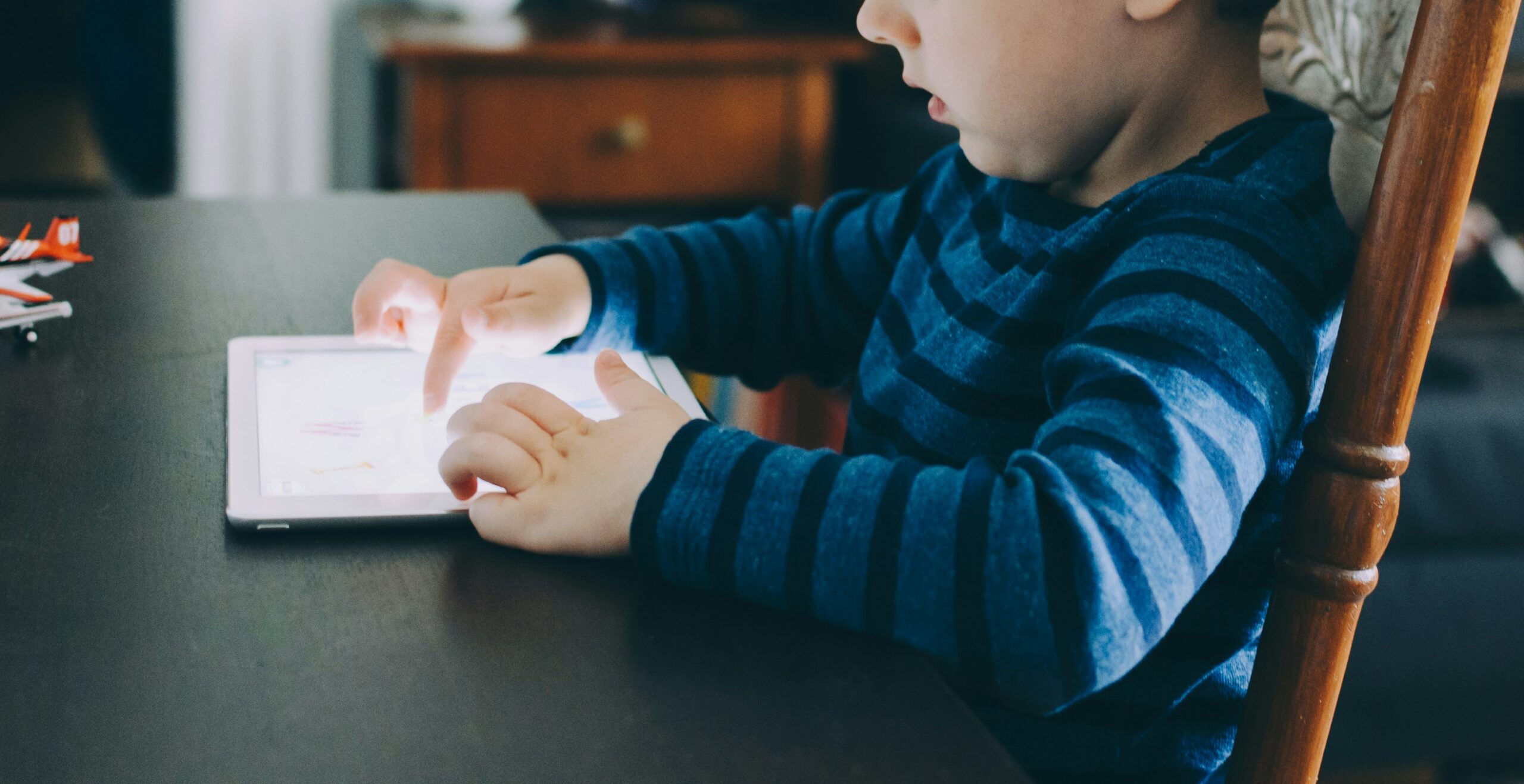
Play comes easily to some children. Others need help to learn how it works. You might notice that your child shows little interest in toys, plays on their own, or does the same thing again and again. This article explains what play is, how it develops, and some everyday ideas to try at home.
What is “play”?
The United Nations Committee on the Rights of the Child describes play as “any behaviour, activity or process, initiated, controlled and structured by children themselves”.
In other words, play means children choose what they like to do, and how they like to do it. It is usually spontaneous, flexible and enjoyable for its own sake. As children grow, their play becomes more complex.
Why is it important to develop play skills?
Play helps children to build many skills, including:
- communication and language
- thinking and problem-solving
- movement and coordination
- sharing, taking turns and negotiating
Play also teaches “cause and effect”. This means learning that an action makes something happen, such as shaking a rattle to make a noise, or pressing a button to make a toy light up.
Play also helps children to be flexible and creative. When children are busy with something they enjoy, they often find it easier to join in. Play skills can help reduce behaviours that get in the way of wellbeing, learning and social interactions.
What are the stages of play?
Play skills usually develop in stages. However, every child learns at their own pace, and the stages can overlap. Here is a quick guide:
Exploring (sensorimotor play). Children explore objects through their senses, such as how they feel or sound. For example, they may shake a rattle, squeeze playdough or bang a drum. They often repeat an action because they like the sensation. At this stage, children tend to play alone with toys and objects that are close by.
Using toys as usual (functional play and simple pretend play). Children use toys and objects in the way they are normally used. For example, they may stir a pan with a spoon, as if cooking. At this stage, children tend to play near other children, but not with them. For example, two children may splash at a water table side by side, rather than playing together.
Pretend play (symbolic play and advanced pretend play). Children act out things they have seen or done, using toys. They may use one object to stand in for another, such as pretending that a piece of string is a snake. They might “eat” a cake that isn’t there, or sip “hot” tea from an empty cup. At this stage, children may start to learn social skills such as sharing, asking other children about their play, and agreeing on what they want to do together (negotiating and compromising).
Playing together (co-operative and socio-dramatic play). Children play together with a shared goal or story. For example, they might build a den together, or play “shops”, with one child as the shopkeeper and the other as the customer.
Games with rules (rule-based games). Children play games with others, such as board games, where there are rules and someone wins. They also make up their own games and rules.
How can you help your child to develop play skills?
Think about which stage your child is at, and what they enjoy. Join in with their play, but aim to add to the fun rather than take charge of it!
Here are some ideas to try:
- Follow your child’s lead. If they are happy for you to join in, build on what they are already doing, taking cues from how they are playing and what language they are using.
- Try anticipation play. Children often enjoy games that are repetitive and predictable, such as “Peek-a-boo”, or blowing up a balloon and letting it go. These are a good chance to use phrases such as “Ready… steady… go!”.
- Build on their interests. Bring their favourite characters, themes or activities into your play and the words you use. For example, if your child loves cars, make a track and race the cars. Over time, add new ideas, such as cars jumping over ramps or people driving the cars.
- Explore sensory play. Water play and sand trays are good for this. Add different containers, sieves and jugs, and use words such as “pour”, “empty”, “full” and “all gone” as you play.
- Support independent play. Toys with a clear goal, such as wooden inset puzzles and ring stackers, can help children learn to play on their own.
- Practise taking turns. Start with short, simple activities, such as posting games or rolling a ball back and forth. Your child may need your help at first.
Remember, follow your child’s lead. There is no “right way” to play, so watch what your child likes to do and build on it. Above all, have fun!
For more information on developing play skills, or to hear more about our support packages, contact our team on: [email protected] or 01344 882248